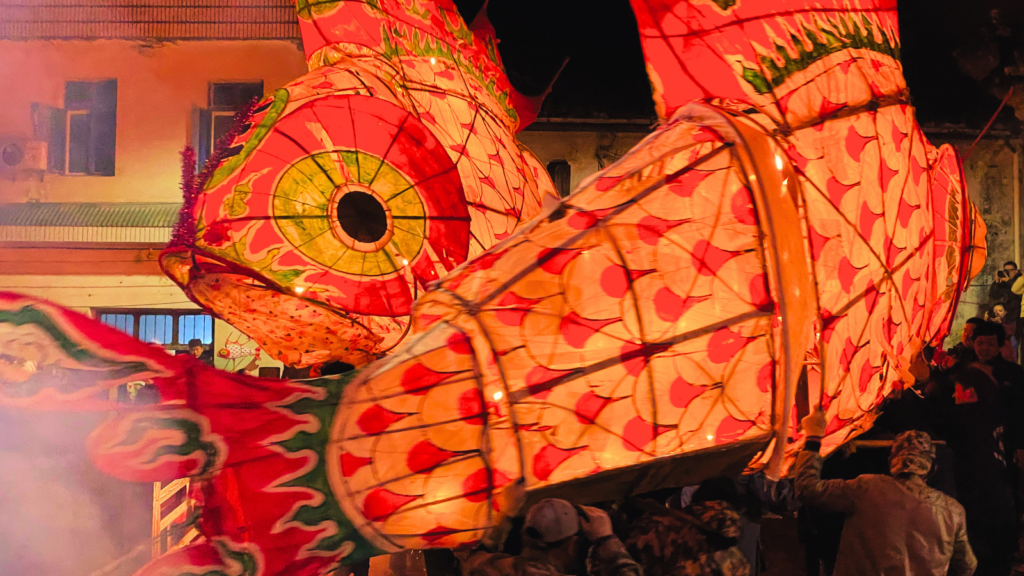


Why Culture Lives in Winding Alleys
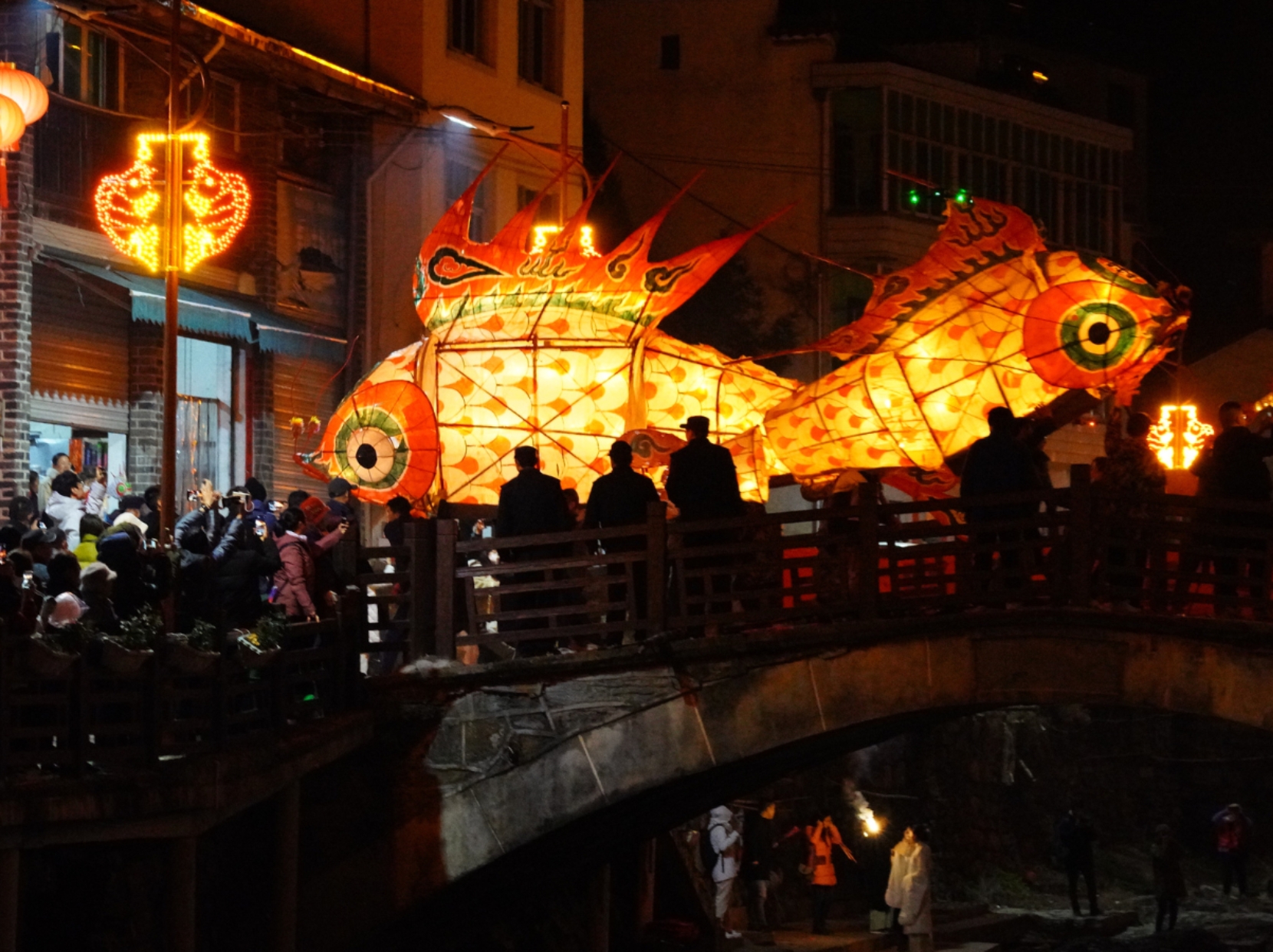
Many people think that exploring Chinese culture means memorizing long lists of imperial dynasties, standing in massive queues at historic monuments, or listening to a guide recite textbook descriptions. I completely disagree. To me, culture is not a dead object trapped behind a museum glass case; it is a living, breathing reality that you can touch, smell, and feel.
The real warmth of history is hidden deep within the architectural framework of ancient courtyards and the hands of master artisans. Last winter, I traveled to a small village known for its traditional heritage crafts. I sat down with an elderly craftsman whose family has been making traditional fish lanterns for generations. As he taught me how to bend the bamboo strips and shape the delicate paper, I felt a direct line of connection stretching back hundreds of years.
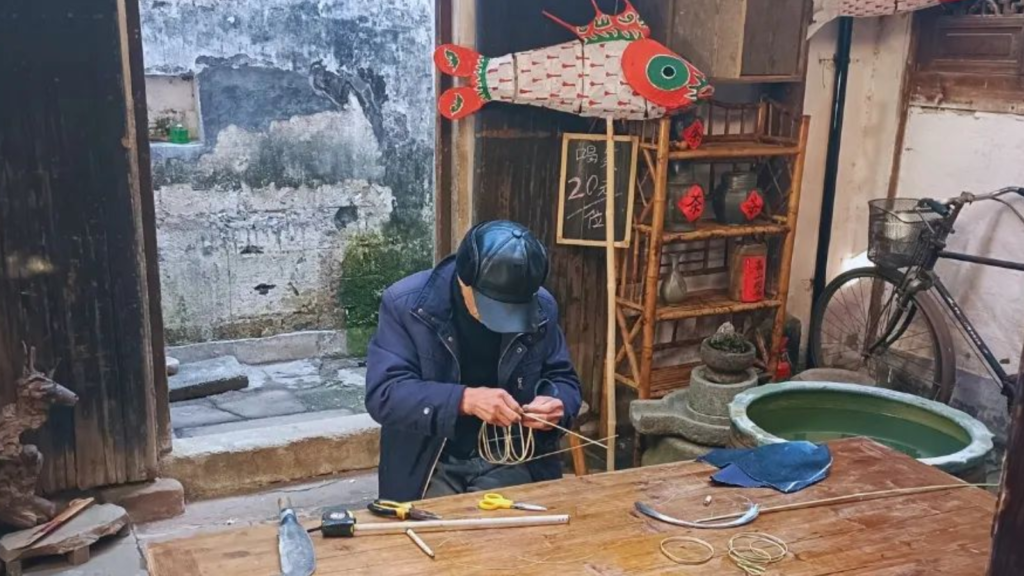
That experience wasn’t a staged performance for tourists; it was a genuine exchange of human spirit. When you try your hand at these traditional crafts, or when you trace your fingers along the intricate brick carvings of an old alleyway, you begin to understand the values, patience, and philosophy that shape the Chinese way of life.
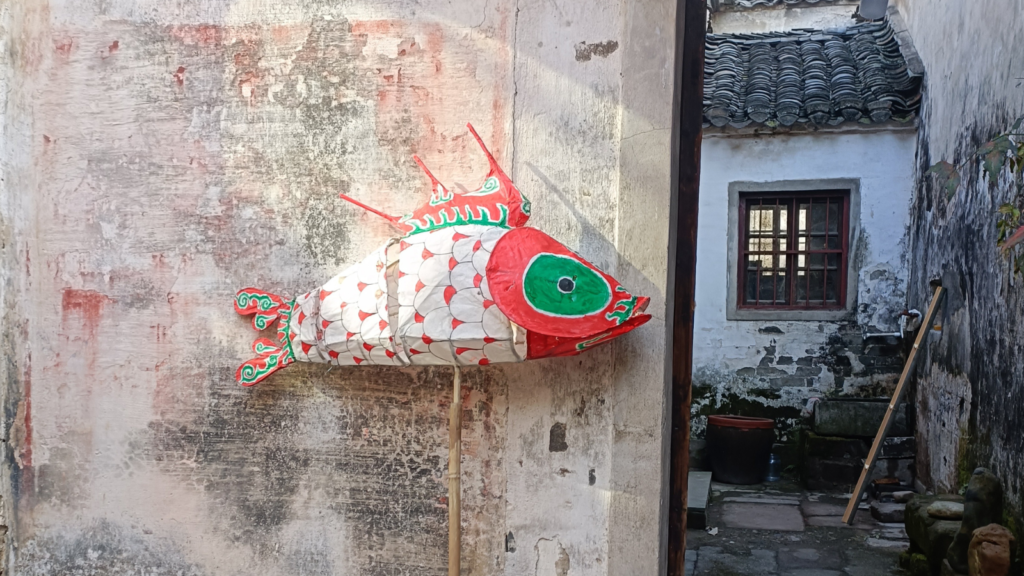
I believe that the best journeys leave you with a deeper understanding of the world, not just a camera roll full of standard postcards. By steering clear of superficial check-ins and stepping directly into the living spaces of history, we unlock the true, multi-dimensional story of the East.